Key Takeaways & Field SummaryOfficial Marshal Notes
Essential guide to desert skid plates for 4x4 vehicles in UAE. Compare 6mm aluminum vs steel bash plates, engine cooling airflow, and wadi rock protection.
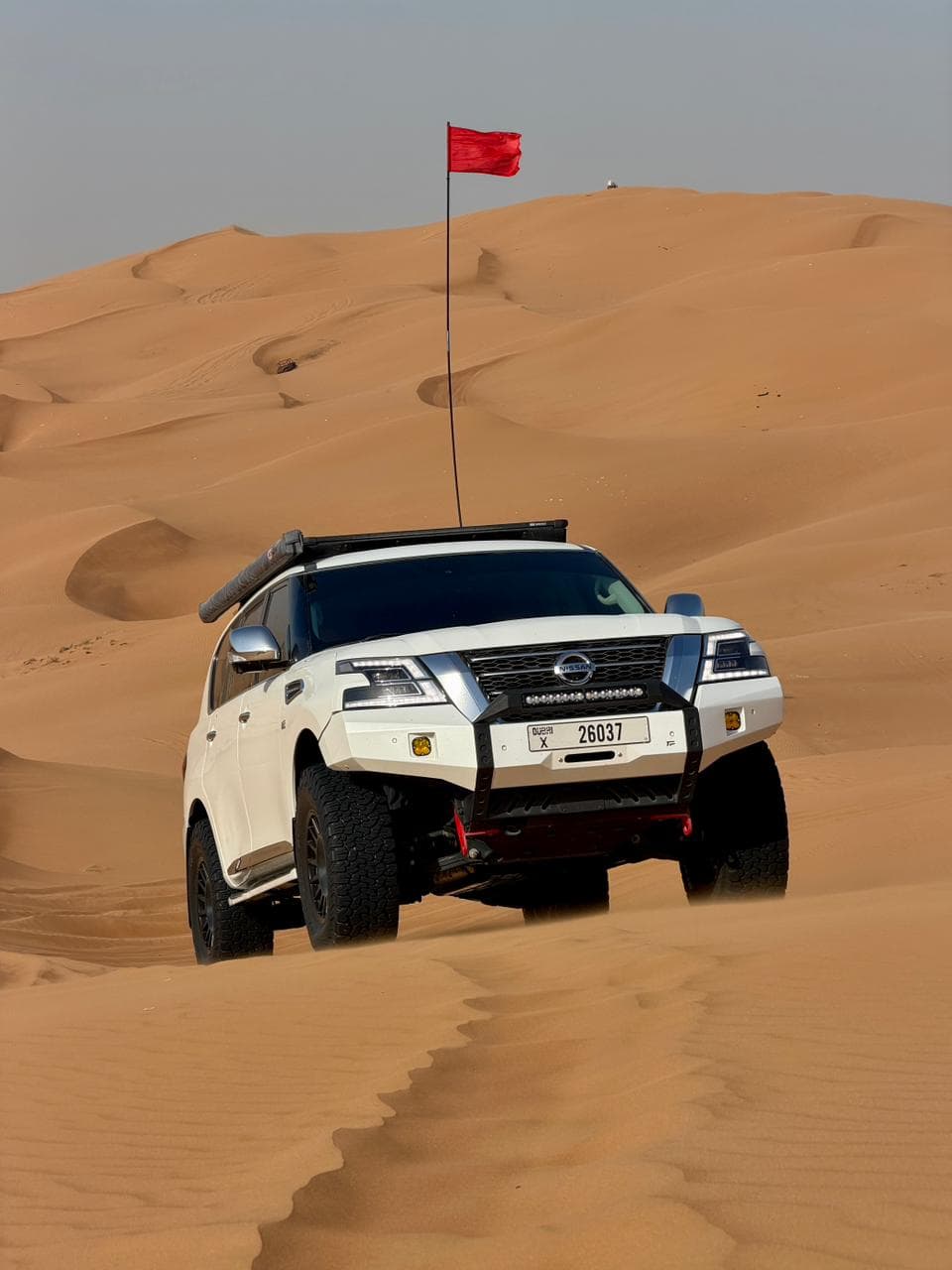
Looking for skid plate recommendations for a Nissan Patrol Y62. The rocky wadi terrain has already given me a couple of scares with ground clearance.
Specifically looking for:
- Full underbody protection (transfer case, diff, fuel tank)
- 5–6mm steel or aluminium? Which holds up better in UAE conditions?
- Anyone using XROX, TJM, or local UAE fabricators?
Also wondering if skid plates affect approach/departure angles significantly. Cheers.
---
### Selecting Underbody Armor for Desert Dunes and Rocky Wadis
Equipping robust **desert skid plates** is one of the highest-yield insurance policies you can add to a modern 4x4. Heavy full-size SUVs like the Nissan Patrol Y62, Toyota Land Cruiser 300, and Jeep Wrangler feature delicate aluminum transmission housings, plastic sump covers, and vulnerable radiator lower tanks that can suffer catastrophic puncture when belly-flopping over hard dune crests or navigating sharp wadi rocks.
#### Aluminium vs. Steel: Which Suits GCC Conditions?
- **5mm or 6mm Marine-Grade 5083 Aluminium:** This is the gold standard for UAE desert driving. Aluminium provides tremendous impact resistance, glides smoothly over soft sand without digging in, will never rust, and weighs roughly one-third of equivalent steel plates. Keeping front-axle weight minimal is crucial for preserving dune flotation.
- **3mm or 4mm Pressed Steel:** Extremely strong against sharp, jagged granite rock strikes in places like Wadi Shawka or Jebel Jais, but substantially heavier. The additional weight over the front suspension causes the front end to dive deeper into soft sand compressions.
#### Airflow, Drainage, and Sand Accumulation
A critical factor often overlooked is cooling airflow. In 48°C desert heat, solid bash plates with inadequate ventilation can trap radiant heat around the engine oil pan and transmission, leading to elevated operating temperatures. Ensure your skid plates incorporate stamped ventilation louvers and dedicated clean-out holes. After every desert drive, blast water through the drain slots to flush out compacted red sand that otherwise adds dead weight and traps moisture against vehicle chassis rails.
Official Dubai Offroaders Safety Principle
Remember: Lower tyre pressures to 15–18 PSI before touching sand to expand your longitudinal footprint. Never attach a snatch strap to a tow ball or bumper, and always keep both thumbs on the outside of the steering wheel rim.
#Desert Skid Plates#Underbody Protection#4x4 Armor#Nissan Patrol#Mechanics
Community Discussion0
Open public discussion. Share your thoughts, ask questions, or connect with certified marshals and fellow drivers.
DO Community Etiquette: Be supportive, share accurate desert knowledge, and uphold safety first.
Posting publicly as a guest visitor. Sign in if you have a Dubai Offroaders account.
Human VerificationBot Protection
Loading security check…
No comments yet — be the first to break the desert silence!