Key Takeaways & Field SummaryOfficial Marshal Notes
Choose the best desert camping gear for safer 4x4 trips, from shade and water storage to recovery equipment, lighting, and desert-ready sleep systems.
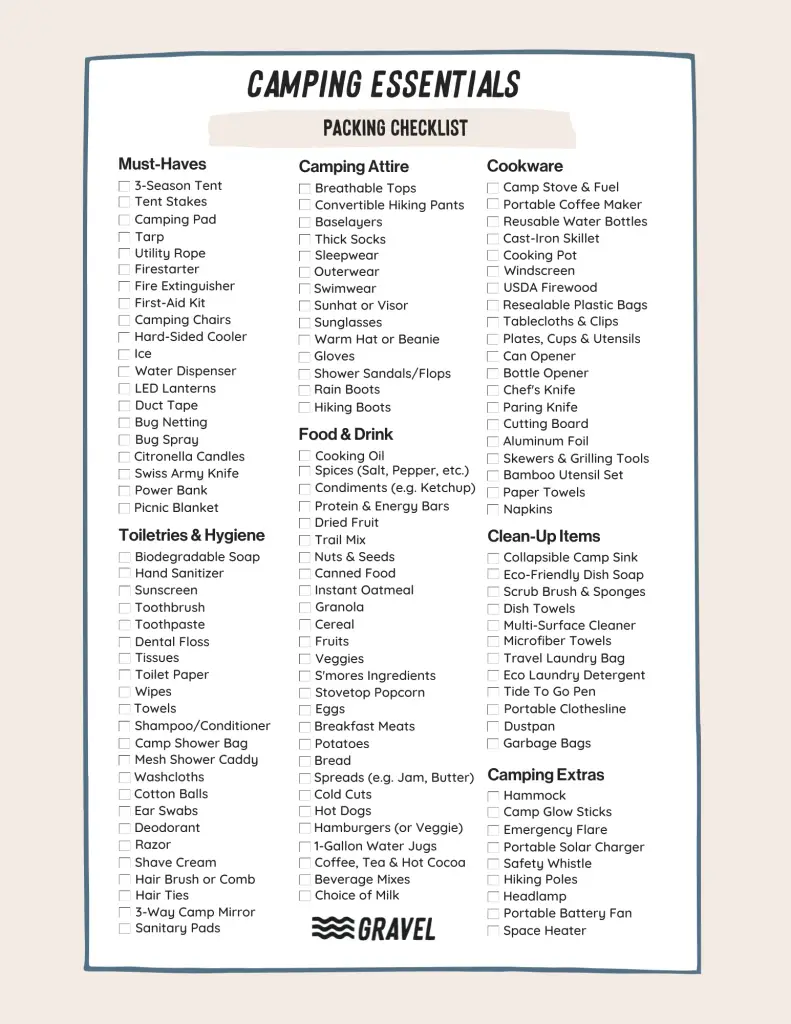
A desert camp can feel perfectly calm at sunset, then become demanding within hours. Wind shifts, temperatures fall, a stove runs out of fuel, or a vehicle needs recovery before the convoy moves again. The best desert camping gear is not the most expensive collection of accessories. It is the equipment that keeps your people hydrated, sheltered, visible, connected, and able to make sound decisions when conditions change.
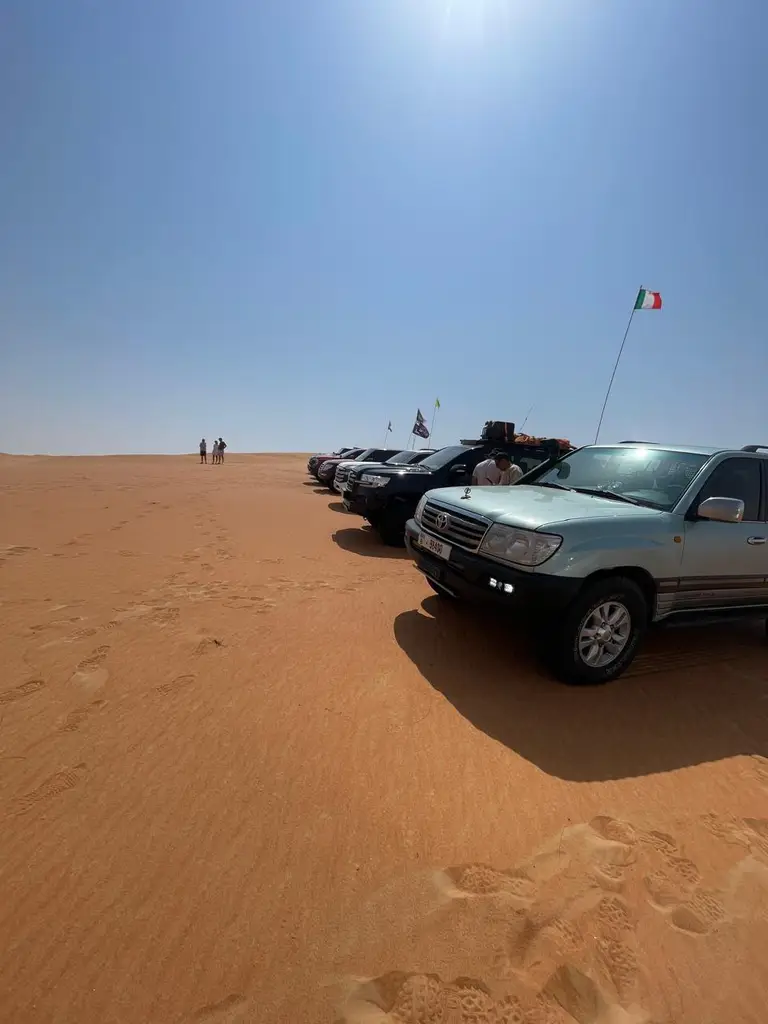
For 4x4 campers in the UAE, Oman, and Saudi Arabia, gear selection starts with the route, season, group size, and vehicle capacity. A relaxed family overnight near established tracks needs a different setup from a self-supported multi-day expedition through remote dunes. Buy for the trip you are actually planning, then build capability through training and experience.
Best Desert Camping Gear Starts With Water and Shade
Water is the first non-negotiable. Carry drinking water separately from washing and cooking water, using food-safe containers that can be secured inside the vehicle. Rigid jerry cans are durable and easy to ration; larger tanks offer more capacity but need reliable mounting and a plan for cleaning. Do not assume a camp stop, fuel station, or remote settlement will have safe water available.
Your reserve should account for drinking, cooking, hygiene, unexpected delays, and the possibility of assisting another vehicle. Heat exposure does not always feel dramatic while you are driving with air conditioning, but dehydration quickly reduces concentration and decision-making. That is a poor trade in dunes, where attention and calm inputs matter.
Shade is nearly as critical. A quality awning, freestanding canopy, or vehicle-mounted shelter creates a working area for meals, first aid, briefing, and recovery planning. Choose one that can be properly anchored in sand. Lightweight shade systems are convenient, but they become a hazard in wind if they are poorly staked or left unattended.
A ground mat or compact outdoor rug also earns its space. It keeps sand out of footwear, sleeping areas, and food boxes, while giving the camp a defined center. That may sound minor, but organization prevents gear from disappearing into soft sand after dark.
Shelter and Sleep: Prepare for Cold, Wind, and Sand
Desert campers often prepare for heat and underestimate the cold. Winter nights in open desert can become genuinely uncomfortable, especially when wind strips warmth from a basic sleeping setup. Your sleep system should be rated for the lowest likely overnight temperature, not the pleasant temperature at sunset.
A ground tent works well for many trips when it has strong poles, a full rainfly or wind cover, and enough ventilation to reduce condensation. A rooftop tent saves floor space and keeps bedding off the ground, but it adds vehicle weight, raises the center of gravity, and takes time to pack correctly. It also means the vehicle cannot move until camp is closed. Neither option is automatically better.
Pair your shelter with an insulated sleeping pad, a temperature-appropriate sleeping bag or quilt, and a warm layer reserved for camp. A compact pillow and clean sleeping liner can make a short night far more manageable. For family trips, larger tents and thicker mattresses may be worthwhile. For technical routes where vehicle loading and balance are priorities, compact equipment is usually the smarter choice.
Cooking Gear That Works When the Wind Picks Up
Desert cooking should be simple, stable, and easy to clean. A reliable camp stove with sufficient fuel is more practical than an elaborate kitchen that consumes valuable cargo space. Use cookware with lids, a windscreen designed for your stove, and a solid table or cooking surface that keeps hot equipment away from children, loose clothing, and dry grass or rubbish.
Store food in sealed containers. Sand gets into everything, and open food attracts unwanted attention from insects and animals around some campsites. A cooler with ice packs works for an overnight trip, while a powered fridge can be valuable on longer expeditions if your electrical system is correctly sized and monitored.
Bring a dedicated cleanup kit: biodegradable soap where permitted, a small wash basin, trash bags, and reusable cloths. Never burn trash in the desert. Pack it out, including bottle caps, cable ties, food scraps, and broken tent stakes. Environmental stewardship is not an optional extra when a route is shared by communities, wildlife, and future convoys.
Vehicle Recovery Gear Is Part of Your Camping Kit
Camping gear and vehicle readiness are connected. Once you leave paved roads, your vehicle is the transport, shelter platform, power source, and emergency exit. A camp is only as secure as the vehicle's ability to leave it safely.
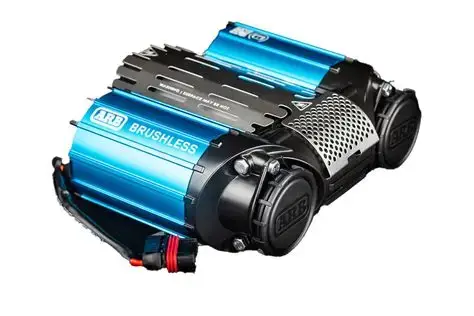
The core recovery setup should include rated recovery points, a properly sized kinetic recovery rope, soft shackles or rated shackles appropriate to the system, a shovel, traction boards, a tire pressure gauge, and a capable air compressor. A tire repair kit and spare tire in serviceable condition are equally important. Recovery gear must be matched to the vehicle and used by people who understand the forces involved.
Do not buy a winch, rope, or recovery board and assume you are prepared. Incorrect recovery can injure bystanders, damage vehicles, and turn a manageable stuck into a serious incident. Practical recovery training teaches far more than product names: where to stand, when to stop, how to communicate, and when a second vehicle or changed plan is required.
A well-organized recovery bag prevents delays. Keep wet or sandy equipment separate from sleeping gear and food supplies. Inspect ropes, shackles, and straps after use, and retire damaged items. Discipline at the end of a recovery is what keeps the next one safe.
Lighting, Navigation, and Communication for Desert Camps
Use layered lighting rather than relying on one powerful lamp. A headlamp keeps both hands free for setting up camp or checking a tire. A lantern lights the shared area. Small red-light modes preserve night vision and reduce glare when people are navigating around vehicles. Carry spare batteries or a charging plan, and avoid shining lights toward neighboring camps or drivers preparing to move.
For navigation, a phone app is useful but should not be your only system. Download offline maps before departure and carry a dedicated GPS device or other proven navigation backup for remote routes. Bring a power bank, charging cables, and a 12-volt charging solution that will not overload your vehicle's electrical outlets.
Communication requires the same redundancy. Depending on the location and convoy plan, this may include programmed radio equipment, a satellite communicator, and an emergency beacon. Know how each device works before the trip. An emergency device stored in a sealed box is not a safety plan if no one knows how to activate it or communicate coordinates.
The Best Desert Camping Gear for a Disciplined Camp
The most useful camp equipment often looks ordinary: a comprehensive first-aid kit, sun protection, work gloves, a fire extinguisher, a basic tool roll, spare fuses, a battery jump pack, and strong storage boxes. What matters is accessibility. First aid should not be buried beneath chairs, and the extinguisher should not be trapped behind sleeping bags.
Before departure, conduct a simple equipment check with the whole group. Confirm water, fuel, tires, recovery points, communications, medication, weather layers, route information, and a designated waste plan. On organized drives, follow the convoy leader's equipment requirements rather than treating them as suggestions. They exist because a remote route leaves little room for improvisation.
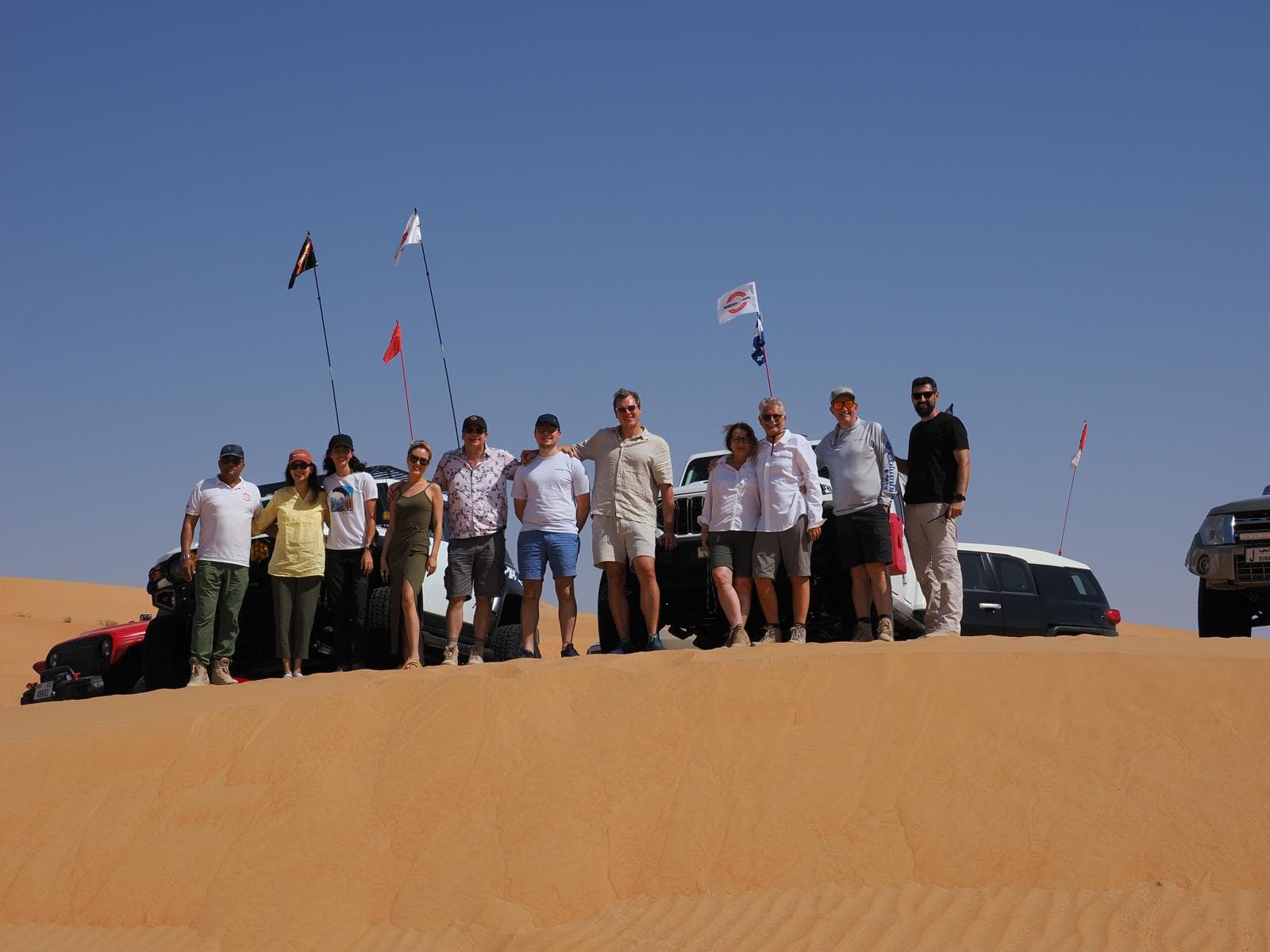
Dubai Offroaders approaches preparedness as a shared responsibility. A capable convoy is not defined by the most modified vehicle in the group. It is defined by drivers who communicate clearly, carry suitable equipment, respect instructions, and support one another without ego.
Pack for the Route, Not for Social Media
It is easy to overload a 4x4 with oversized tents, decorative lights, heavy drawers, and gadgets that see little use. Extra weight affects braking, suspension, fuel use, dune performance, and recovery difficulty. Secure every item. A loose fridge, toolbox, or gas canister can become dangerous on uneven terrain or during a sudden stop.
Start with essentials, test them close to home, and refine your loadout after every trip. Ask practical questions: Did this item solve a real problem? Was it accessible? Did it stay secure? Could another item perform the same role with less weight? This approach builds a more capable setup than buying everything at once.
The desert rewards those who arrive prepared and remain humble. Pack with intention, learn the skills behind the equipment, and leave every campsite cleaner than you found it. Then when the wind rises after sunset, your camp remains what it should be: a safe base for the next stage of the adventure.
Remember: Lower tyre pressures to 15–18 PSI before touching sand to expand your longitudinal footprint. Never attach a snatch strap to a tow ball or bumper, and always keep both thumbs on the outside of the steering wheel rim.
Community Discussion0
Open public discussion. Share your thoughts, ask questions, or connect with certified marshals and fellow drivers.
No comments yet — be the first to break the desert silence!