Key Takeaways & Field SummaryOfficial Marshal Notes
Convoy safety turns desert and mountain drives into disciplined team travel. Learn the habits, roles, and recovery standards that protect every crew well.
A desert convoy can cover ground quickly until one missed radio call, rushed crest, or poor recovery decision turns a good drive into a long afternoon. Convoy safety is what keeps individual 4x4s operating as one capable team across dunes, wadis, mountain tracks, and remote overland routes. It is not about removing challenge from the experience. It is about creating the discipline that allows challenge to be managed well.
Off-road terrain changes without warning. Sand softness can vary from one ridge to the next. A mountain trail can narrow after a washout. Visibility can disappear in dust, darkness, or a blind descent. In those moments, a convoy is only as strong as its communication, spacing, preparation, and willingness to follow the plan.
Convoy Safety Starts Before the Engines Do
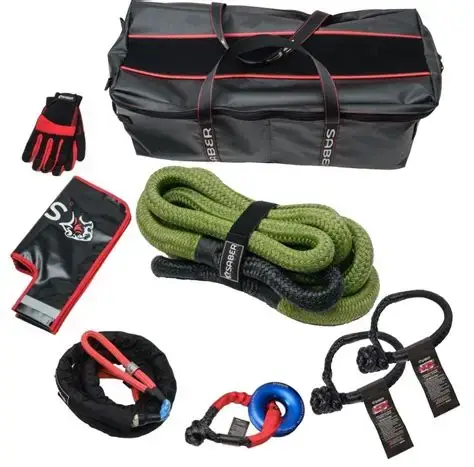
The safest recovery is often the one that never becomes necessary. That begins before the group enters the sand or reaches the trailhead. Drivers need a vehicle suited to the route, enough fuel for the full plan plus contingency, properly rated recovery points, a spare tire in usable condition, and recovery equipment they know how to use. Carrying a strap is not the same as understanding safe load paths, attachment points, and when a kinetic pull is inappropriate.
Preparation also means honest route matching. A first-time sand driver should not be placed into a technical dune convoy simply because their vehicle is powerful. Likewise, an experienced driver returning after a long break may need to rebuild rhythm before joining a faster-paced group. Capability is more than a vehicle specification. It includes judgment, fitness, tire pressure management, recovery knowledge, and the ability to stay calm when plans change.
A proper briefing sets the operating standard. It should cover the route’s expected terrain, convoy order, radio channel, hand signals where relevant, regroup points, fuel expectations, pace, emergency procedures, and the authority of the lead and sweep. Questions belong in the briefing, not while a line of vehicles waits on a narrow track.
At Dubai Offroaders, this structure is part of the adventure. Clear standards give drivers the confidence to develop skills without guessing what the group expects from them.
The Roles That Hold a Convoy Together
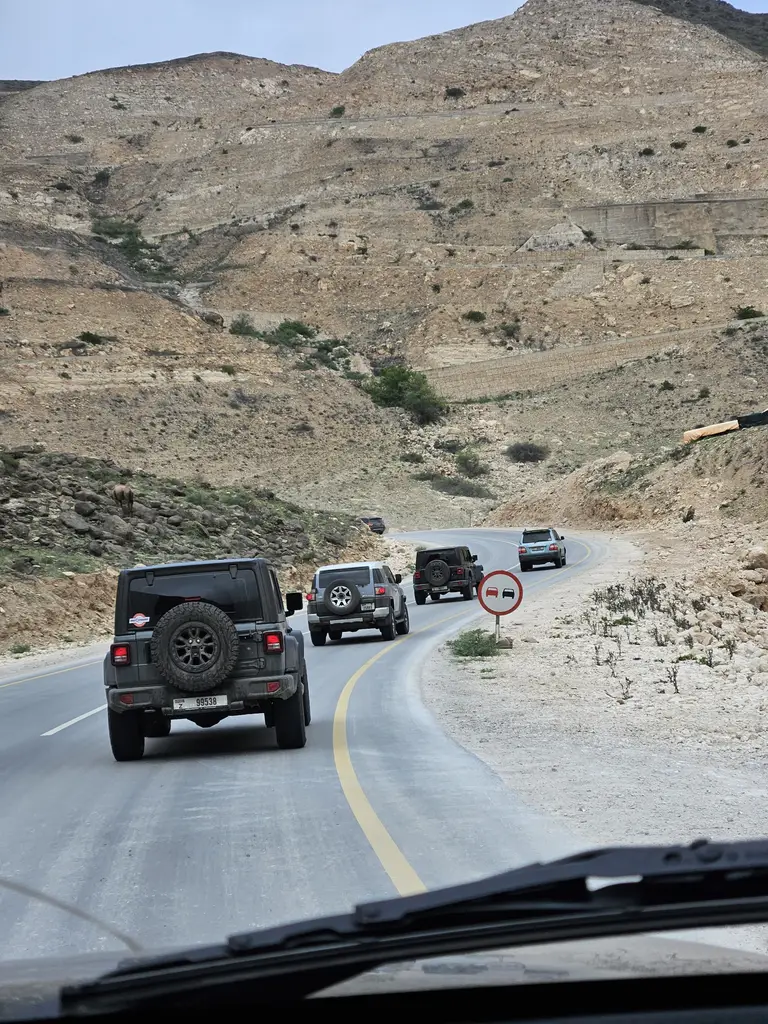
Every vehicle has a responsibility, but certain roles carry particular operational weight. The lead vehicle reads the terrain, sets a pace appropriate to the least experienced capable driver, and makes route decisions. The second vehicle confirms the line is workable and provides immediate support if the lead encounters trouble. The sweep, or last vehicle, keeps track of the convoy’s tail and ensures nobody is left behind.
Between them, drivers must maintain awareness of the vehicle behind. This simple habit is one of the strongest convoy safety practices on any route. If the vehicle behind disappears from view, slow down or stop in a safe place and communicate. Do not assume they will catch up. They may be stuck, dealing with a mechanical issue, or waiting at a wrong turn.
A convoy should also avoid becoming a line of passive followers. Each driver needs to read the terrain independently while following the agreed track. On dunes, blindly copying the vehicle ahead can lead to trouble when the sand gives way differently under your tires. On mountain trails, watching only the bumper ahead can hide a loose edge, a sharp rock, or a changing camber.
Spacing Is a Safety System, Not a Courtesy
Too little space creates pressure. It reduces braking room, fills the air with dust, and encourages drivers to rush obstacles before they can assess them. Too much space breaks visual contact, increases the chance of missed turns, and makes radio communication more critical.
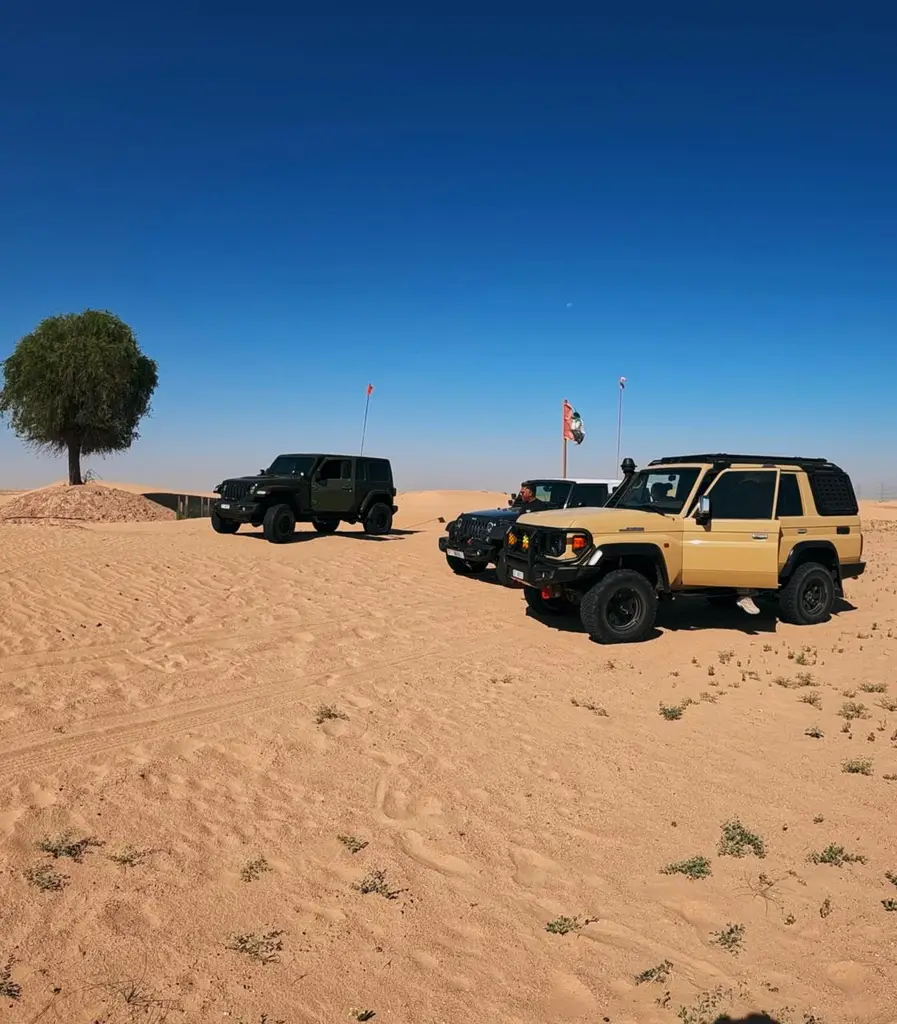
The right gap depends on terrain, visibility, speed, and skill level. In open desert, drivers may need greater distance to allow for changing lines and dune transitions. On a tight rocky trail, spacing may close slightly, but never to the point where one vehicle’s rollback, wheelspin, or sudden stop threatens another. The goal is controlled separation: close enough to remain connected, far enough to make decisions safely.
At crests and blind drops, the rule is straightforward: never commit until the vehicle ahead has cleared and the route is confirmed. This prevents one of the most avoidable convoy incidents - a vehicle arriving at a crest with nowhere safe to go. A radio call, a hand signal, or a visible all-clear takes seconds. A collision or rollover can change the entire day.
Communication Must Be Short, Clear, and Useful
Radios are not background entertainment. In a moving convoy, they are an operational tool. Drivers should use call signs or vehicle positions, keep transmissions concise, and avoid talking over urgent instructions. A clear message such as, “Sweep to lead, vehicle stopped, safe position,” gives the team what it needs to respond.
The lead should communicate hazards before they become surprises: sharp left after the ridge, soft slip face, narrow passage, oncoming traffic, or a planned regroup. Drivers should report problems early, whether that is an overheating warning, a damaged tire, uncertainty about the route, or loss of visibility. Pride has no place in a safety call.
There will be occasions when radios fail or signal quality drops. That is why convoys need simple backup habits: maintain visual contact where possible, know the planned stop points, and understand what to do if separated. The correct response is usually to stop safely and notify the group, not to accelerate blindly in an attempt to reconnect.
Recovery Requires Control, Not an Audience
A stuck vehicle is normal off-road. A rushed recovery is not. The first action is to stop the convoy in a safe position, assess the terrain, and keep unnecessary people clear of the recovery zone. A vehicle may need a gentle tow, a shovel and traction boards, a change in tire pressure, a winch recovery, or a carefully planned kinetic pull. The right method depends on the vehicle’s position, anchor options, load direction, and risk to people and equipment.
Nobody should stand near a tensioned rope, strap, or winch line. Bystanders should be positioned well away from the recovery path and outside potential recoil zones. Drivers and recovery leaders need a clear plan before force is applied, including who is directing, who is operating each vehicle, and what signal means stop.
Recovery also reveals the character of a convoy. The strongest groups do not shame a driver for getting stuck. They secure the scene, make a measured plan, help the driver learn, and move on without drama. Mutual support is non-negotiable, but so is accepting instruction from the person managing the recovery.
Pace Must Respect the Least Predictable Factor
A convoy is not safer because it is slow, and it is not more advanced because it is fast. Appropriate pace depends on terrain, heat, daylight, vehicle condition, visibility, and the group’s real capability. In the Gulf, rising temperatures and late-afternoon light can change the risk profile of the same route within hours.
Leaders must be willing to shorten a route, take an easier exit, pause for a vehicle check, or turn back when conditions call for it. That decision is not a failure of ambition. It is sound expedition judgment. The desert and mountains will still be there; a team that makes disciplined choices will be ready to return.
Drivers have the same responsibility. Fatigue, dehydration, frustration, and overconfidence all affect decision-making. If you are no longer comfortable with the pace or terrain, say so early. A professional convoy makes room for that conversation before a small concern becomes a dangerous situation.
Build Skills Before You Need Them
The best place to learn convoy procedures is not during a difficult recovery in remote terrain. Training gives drivers space to practice radio discipline, terrain reading, tire pressure adjustment, safe towing, self-recovery, and controlled descents before those skills carry real consequences.
Progression matters. Start with the fundamentals, gain mileage in guided drives, and take on more complex terrain when your decisions are becoming consistent. Advanced driving is not defined by how aggressively you attack a dune or how quickly you finish a trail. It is defined by how reliably you read the situation, protect your passengers and fellow drivers, and preserve options when the route becomes demanding.
A well-run convoy makes the desert feel larger, not smaller. It gives you the freedom to travel farther with people who understand the standard: prepare properly, communicate clearly, support the team, and leave no one behind. Bring that discipline to every drive, and the experience beyond the road becomes one worth sharing.
Remember: Lower tyre pressures to 15–18 PSI before touching sand to expand your longitudinal footprint. Never attach a snatch strap to a tow ball or bumper, and always keep both thumbs on the outside of the steering wheel rim.
Community Discussion0
Open public discussion. Share your thoughts, ask questions, or connect with certified marshals and fellow drivers.

No comments yet — be the first to break the desert silence!