Key Takeaways & Field SummaryOfficial Marshal Notes
Plan a cross border overland trip Oman from the UAE with the right documents, vehicle setup, convoy discipline, border timing, and mountain readiness.
A cross border overland trip Oman is not simply a longer weekend drive. The moment your convoy leaves the UAE, preparation becomes part of the adventure. Documents, insurance, vehicle ownership, terrain, fuel range, communications, and group discipline all carry more weight when the next town may be several mountain passes or desert tracks away.
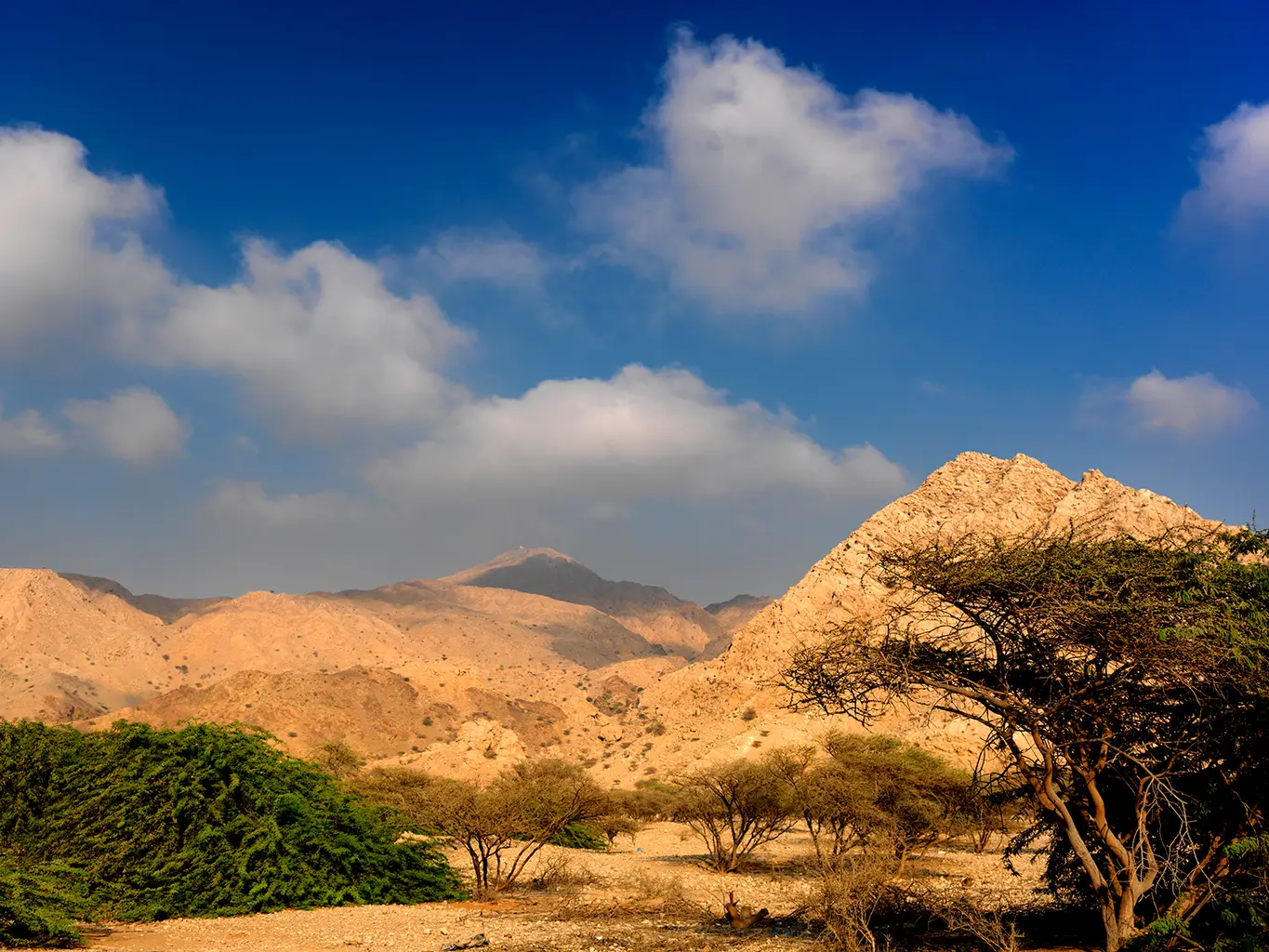
Oman rewards drivers who arrive ready. Its wadis, gravel plains, high mountain routes, and remote coastlines offer a different kind of off-road experience from the UAE dunes. The views are bigger, the distances can be less forgiving, and good decisions matter long before the first tire leaves pavement.
Why Oman Changes the Overland Equation
A UAE desert drive can often be planned around a short recovery window, familiar fuel stations, and a quick route home. In Oman, route planning needs greater margins. A single day may include highway transit, rough graded tracks, steep climbs, loose rock, water crossings, and a camp far from services.
That does not make Oman inaccessible. It makes it a place where capability must be matched with restraint. A highly modified vehicle is not automatically better prepared than a well-maintained 4x4 with sensible recovery equipment, adequate fuel, and a driver who knows when to stop, reassess, and ask for support.
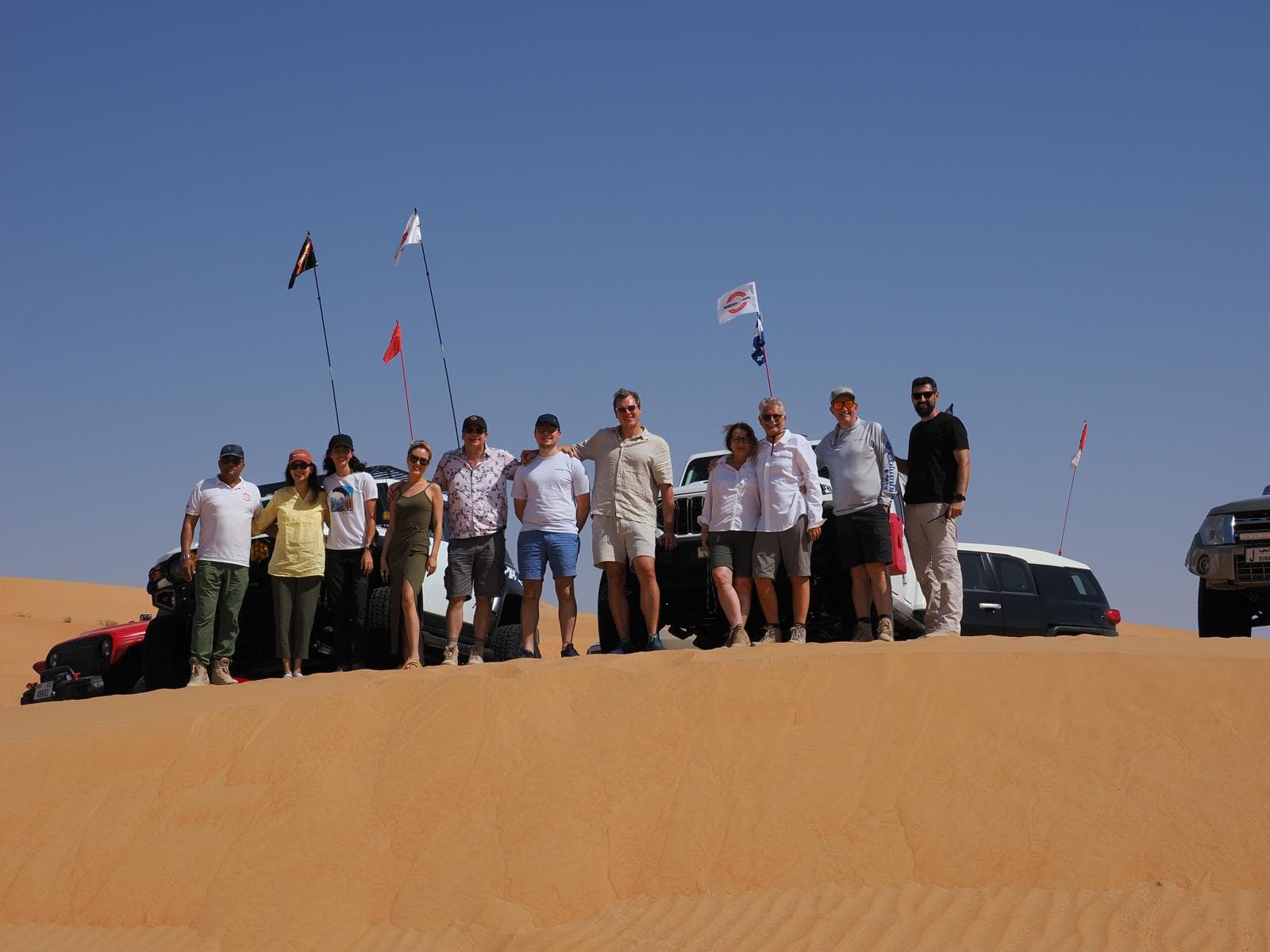
Traveling in an organized convoy also changes the experience for the better. You spend less time guessing where to turn or worrying about border procedures, and more time reading the terrain, improving your driving, and enjoying the people around you. Mutual support is not a slogan when a vehicle has a puncture on a rocky climb or loses traction in a narrow wadi. It is how the group keeps moving safely.
Plan Your Cross Border Overland Trip Oman Before Departure
Border requirements can change, and they differ depending on nationality, residency status, vehicle registration, financing, and insurance. Confirm current requirements with the relevant authorities and your insurer before committing to the route. Do not rely on an old trip report, a message forwarded in a group chat, or the assumption that a document accepted last year will be accepted today.
For most drivers, preparation begins with ensuring that the vehicle registration is valid and in the driver’s name. If it is not, obtain the appropriate authorization from the registered owner. Financed, leased, company-owned, or rental vehicles may have additional restrictions or require formal permission for cross-border travel. Bring original documents where required, keep copies separately, and make sure your passport and residency documentation have sufficient validity.
Insurance deserves the same attention as your recovery gear. Confirm that your policy provides the required Oman coverage and that you understand what roadside assistance, towing, and off-road use may or may not include. Border insurance may be available in some circumstances, but it should not be treated as a last-minute solution to an unprepared trip.
Build Time Into the Border Plan
A border crossing is not a fuel stop. It can be quick, but it can also take significantly longer during public holidays, weekends, busy travel periods, or when paperwork needs clarification. Plan your first day so that a delay does not force the convoy to drive difficult terrain after dark.
Arrive with orderly paperwork, a clean vehicle, and a full understanding of who is responsible for each car. Convoy leaders should brief the group before departure: where to park, what to present, how to communicate if separated, and the regroup point after clearance. Discipline at the border sets the tone for the entire expedition.
Prepare the Vehicle for Distance, Rock, and Heat
Oman is varied terrain. A vehicle set up only for soft sand may struggle on sharp rocks, long climbs, or extended highway miles loaded with camping gear. Start with maintenance, not accessories. Check tires, brakes, fluids, battery condition, cooling system, suspension components, and all recovery points. A small mechanical issue that is manageable near Dubai can become a serious delay in a remote valley.
Tires deserve special scrutiny. Use a suitable all-terrain or off-road tire with healthy tread and no sidewall damage, then carry a serviceable spare. For longer expeditions, a second spare, tire repair kit, air compressor, pressure gauge, and the knowledge to use them are sensible safeguards. Lowering tire pressure may improve traction on some surfaces, but pressure choices depend on terrain, tire construction, vehicle load, and the route ahead. Do not copy another driver’s number without understanding the conditions.
Your recovery kit should match the vehicle and the group’s capability. Rated recovery points, a correctly rated recovery rope or kinetic rope, soft shackles, a shovel, traction boards, gloves, and a fire extinguisher are practical baseline items. A winch can be valuable, particularly on technical routes, but it is not a substitute for route choice or sound spotting.
For remote travel, carry enough water for drinking, cooking, and contingency. Add food beyond the planned schedule, a first-aid kit, navigation backups, lighting, warm layers for mountain nights, and shelter appropriate for the season. Heat in the lowlands and cold at altitude can exist on the same trip.
Choose Routes That Match the Convoy
The best Oman route is not necessarily the hardest one. A first cross-border expedition may be better spent combining accessible mountain roads, established campsites, scenic wadis, and moderate off-road sections. That gives drivers time to learn how the vehicle behaves on rock and gradients without turning every obstacle into a recovery exercise.
More technical routes demand a smaller, more capable, and more experienced group. Narrow tracks, exposed ledges, loose descents, and water-cut terrain require calm communication and accurate vehicle placement. A driver who is confident in the dunes may still be new to mountain driving. There is no loss of pride in choosing a route that builds competence progressively.
Weather can change the route completely. Rain upstream can transform a dry wadi into a dangerous flash-flood channel. Mountain fog can reduce visibility quickly. Check forecasts, understand the watershed above your intended route, and be willing to turn around. The mountain will still be there next month. Safety always comes first.
Convoy Discipline Is Your Greatest Asset
On an overland trip, the convoy is a working system. The lead vehicle manages the route and pace. The sweep vehicle ensures nobody is left behind. Every driver must maintain visual contact where possible, communicate problems early, and avoid breaking formation without instruction.
This is especially important when road and trail conditions change. A lead vehicle may safely clear an obstacle while a longer wheelbase vehicle, heavily loaded SUV, or less experienced driver needs a different line. Stop, spot, and talk through the plan. A few minutes of patience is always cheaper than damaged steering, a rollover, or an avoidable recovery.
Dubai Offroaders approaches cross-border expeditions with this principle at the center: no participant is disposable, and no vehicle problem is ignored because the group wants to reach camp faster. Strong teams make room for learning, but they also uphold standards. Arrive on time, carry the required equipment, listen to the briefing, and respect the marshal’s instructions.
Travel With Respect for Oman and Its Communities
Overlanding gives us access to places that remain special because they are not heavily built up. Keep them that way. Use established tracks where appropriate, avoid damaging vegetation, pack out every piece of waste, and never leave a fire unattended. In villages and near farms, slow down, minimize noise, and respect privacy.
Do not treat wadis, beaches, and mountain camps as a backdrop for reckless driving. Local communities, wildlife, and future travelers all pay the price for careless behavior. Responsible access is earned through conduct.
A well-planned Oman crossing is demanding in the right ways: early starts, careful lines, shared camp meals, and the quiet satisfaction of reaching a place that cannot be understood from a highway. Prepare thoroughly, travel humbly, and let the terrain make you a better driver.
Remember: Lower tyre pressures to 15–18 PSI before touching sand to expand your longitudinal footprint. Never attach a snatch strap to a tow ball or bumper, and always keep both thumbs on the outside of the steering wheel rim.
Community Discussion0
Open public discussion. Share your thoughts, ask questions, or connect with certified marshals and fellow drivers.

No comments yet — be the first to break the desert silence!