Key Takeaways & Field SummaryOfficial Marshal Notes
Plan overland expeditions Saudi Arabia with the right vehicle, permits, convoy discipline, recovery skills, and respect for remote desert terrain safely.
Saudi Arabia does not forgive a route plan built from social media clips. Distances are bigger than they appear, fuel points can be far apart, and a soft dune field or rocky wadi can turn a casual drive into a serious recovery situation. That is exactly why overland expeditions Saudi Arabia are best approached as disciplined, well-supported journeys rather than improvised weekends.
For capable 4x4 owners, the reward is extraordinary: vast desert horizons, ancient landscapes, mountain tracks, night skies with no city glow, and the satisfaction of moving as a competent team through remote country. But the experience depends on preparation, local awareness, and a convoy culture that puts safety ahead of ego.
Why Saudi Arabia Changes the Expedition Standard
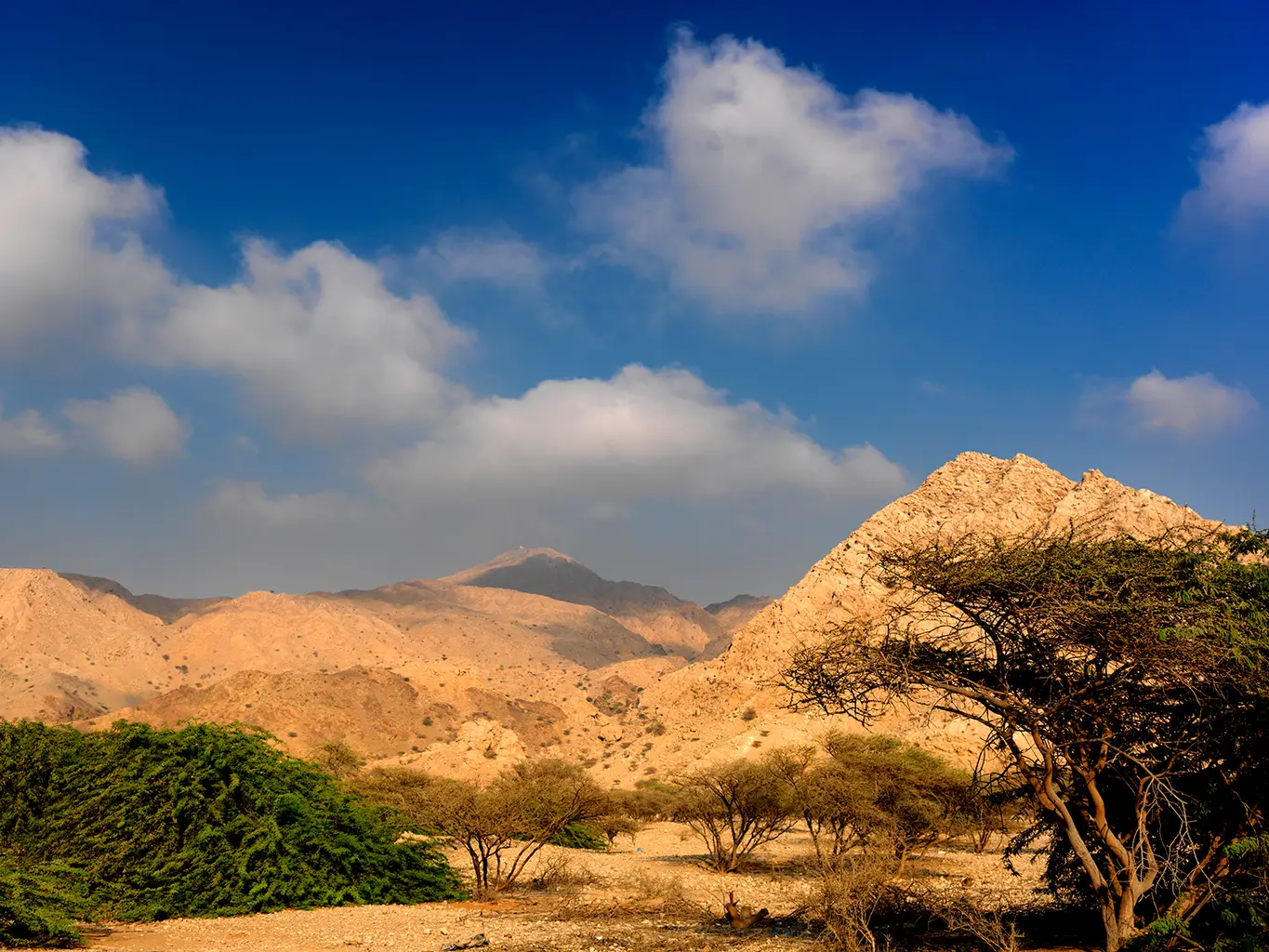
Saudi Arabia offers terrain on a scale that can challenge even experienced Gulf drivers. The Empty Quarter demands careful fuel and water planning, precise navigation, and respect for changing sand conditions. Northern routes can bring rock shelves, gravel plains, mountain passes, and cold nights. Across the country, heat, wind, distance, and limited communications can magnify small mistakes.
This does not mean every expedition must be extreme. It means the route, season, vehicle, and group capability must match. A family-friendly desert camp journey and a technical multi-day crossing are both valid adventures, but they require different planning standards.
The strongest expeditions begin with an honest assessment. Is your vehicle mechanically ready? Are you comfortable driving sand for long hours? Can you communicate clearly on radio, follow convoy procedures, and assist in a recovery? If the answer is not yet, training is not a barrier to adventure. It is how you earn more of it.
Plan Overland Expeditions in Saudi Arabia Before You Roll
A proper plan starts well before the tires touch sand. Route leaders need to understand current access requirements, protected areas, local regulations, weather patterns, refueling options, camp locations, and evacuation considerations. Permissions and access rules can change, so assumptions based on a previous trip or an old route file are not enough.
Timing matters. Cooler months generally make long-distance travel more comfortable, but desert temperatures can still vary sharply between day and night. Wind can erase tracks, reduce visibility, and change dune faces. Rain can transform a dry wadi into a hazard or make rocky ground unexpectedly slick. The route must always be adjustable.
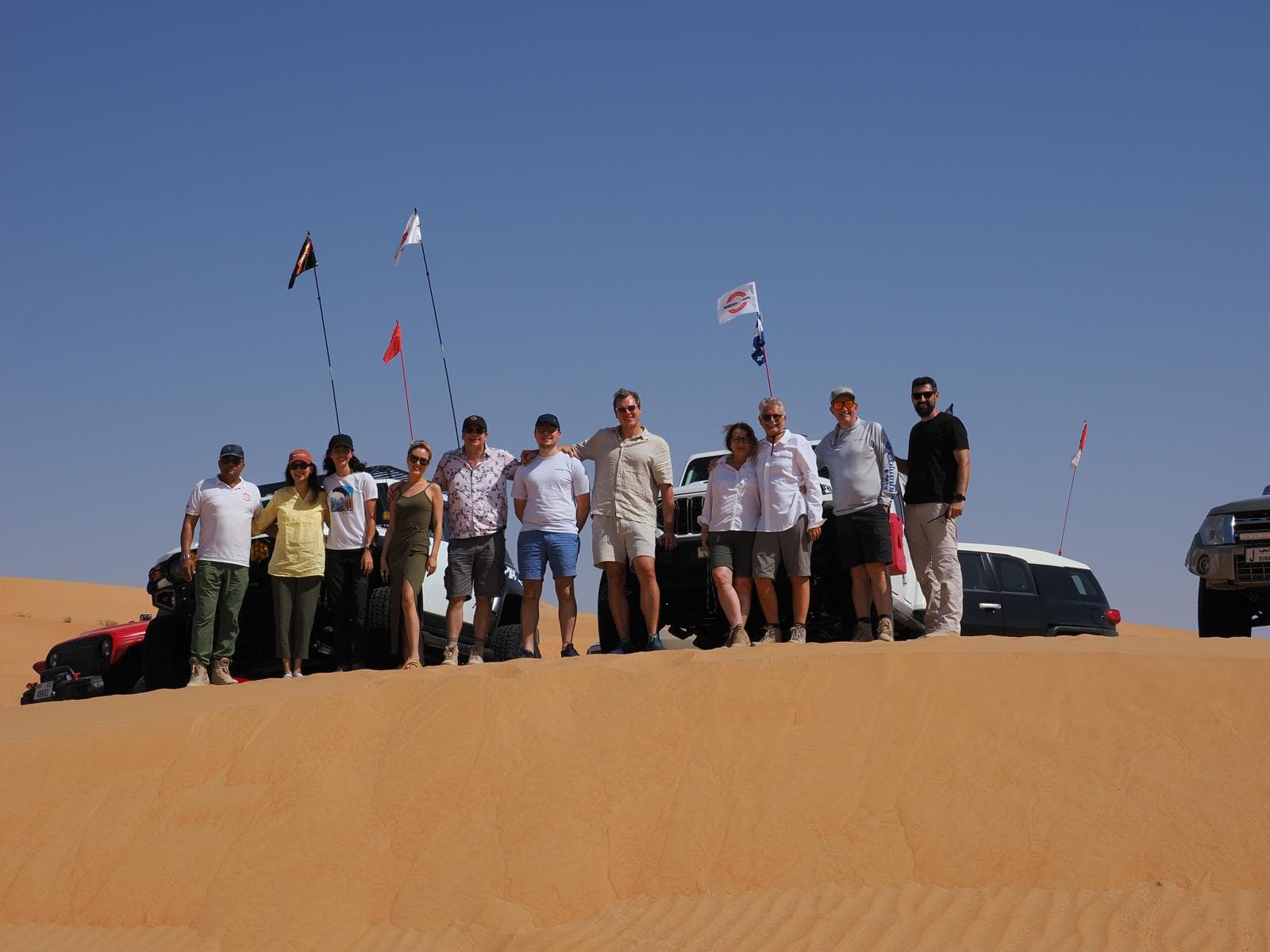
Every participant should also know the expedition brief before departure: daily distance expectations, fuel stops, radio channel, convoy order, driving standards, regrouping procedures, campsite rules, and the decision-making authority of the lead team. A convoy is not a collection of vehicles heading in the same direction. It is one moving unit, accountable to every person in it.
The vehicle must be expedition-ready
A high-clearance 4x4 with low-range capability is a foundation, not a full preparation plan. Tires must be in sound condition, the spare must be usable, and all routine maintenance should be completed before departure. Overland travel places sustained load on cooling systems, suspension, batteries, and driveline components.
Weight deserves particular attention. Extra fuel, water, camping equipment, recovery gear, food, and personal bags add up quickly. An overloaded vehicle handles poorly in soft sand, takes longer to recover, and increases stress on mechanical components. Pack deliberately, secure every item, and bring what the route requires rather than everything that fits.
At a minimum, each vehicle should carry a reliable communications setup, navigation backup, recovery points suitable for the vehicle, a shovel, tire-deflation equipment, an inflator, a first-aid kit, adequate water, and a fire extinguisher. For longer or more remote routes, additional fuel, spare tire repair capability, lighting, and vehicle-specific spares may be necessary.
Convoy Discipline Is the Real Safety System
The best recovery is often the one that never becomes necessary. Spacing, speed control, clear radio calls, and good observation prevent many incidents before they begin. The driver behind you needs enough room to respond to your line, while the driver ahead needs confidence that you are visible and maintaining the agreed pace.
On dunes, discipline means committing to the line, avoiding sudden direction changes, and reporting trouble early. In rocky terrain, it means slowing down, choosing wheel placement carefully, and using a spotter when visibility is limited. In both environments, it means leaving space for the vehicle ahead to make a correction without creating a chain reaction.
A professional convoy also removes the pressure to prove something. If a driver is fatigued, uncertain, or uncomfortable with a section, the right response is to communicate. Route leaders can adjust the pace, provide coaching, choose an alternate line, or make a sensible turnback decision. Mutual respect is non-negotiable, especially when conditions become demanding.
Recovery is a team skill, not a spectator moment
Sand recoveries are common enough to require competence and serious enough to demand restraint. Before any strap, rope, or traction aid is used, the team should stop, assess the terrain, identify safe recovery points, establish an exclusion zone, and agree on the plan. No one should stand near a loaded recovery line.
The same principle applies to mechanical issues. A loose underbody panel, overheating warning, tire damage, or fuel concern is easier to manage when reported immediately. Continuing in silence to avoid slowing the group can turn a minor interruption into an expedition-ending problem.
Dubai Offroaders builds driver progression around this reality: confidence comes from repeatable skills, not from taking unnecessary risks. A driver who understands vehicle control, recovery basics, navigation, and convoy etiquette is better prepared to enjoy Saudi Arabia's demanding terrain without placing the group under avoidable pressure.
Navigation, Fuel, and Communication in Remote Terrain
Phone coverage should never be treated as a guaranteed safety plan. Carry offline mapping, route data, and a secondary navigation method. The lead team should know the intended route, alternatives, exit points, and locations where assistance can be accessed if conditions change.
Fuel planning needs a margin, not a hopeful calculation. Sand driving, headwinds, low-range work, extra vehicle weight, and repeated recoveries can increase consumption substantially. Fill up whenever the route offers a dependable opportunity, track use daily, and do not wait for a warning light to become a decision point.
Water deserves the same conservative approach. Carry enough for drinking, cooking, basic hygiene, and an unexpected delay. The amount depends on season, group support, itinerary, and remoteness, but the standard is simple: run short on luxury items before you run short on water.
Respect the Land You Came to Experience
Saudi Arabia's deserts, wadis, escarpments, and archaeological landscapes are not an off-road playground without limits. Travel only where access is permitted. Avoid sensitive habitats, do not disturb wildlife, and keep a respectful distance from heritage sites and local communities. Campsites should be left cleaner than they were found.
That includes small details. Secure trash against wind. Keep fires controlled and permitted. Avoid unnecessary wheelspin that scars fragile terrain. Do not carve new tracks simply because the established route looks difficult. Responsible driving protects access for the community that follows.
Build Capability Before the Bigger Route
The most rewarding Saudi expedition may not be your first one. Start by building the fundamentals close to home: correct tire pressure, safe sand driving, radio communication, self-recovery awareness, route reading, and convoy positioning. Then move into longer drives, mixed terrain, night navigation, and multi-day logistics as your judgment improves.
Choose an organized expedition with a clear skill-level designation, a defined vehicle requirement, experienced leaders, recovery support, and realistic participant limits. Limited spots are not a marketing device when a route is remote. They allow leaders to manage the convoy properly and give every driver the attention the terrain demands.
Saudi Arabia rewards prepared drivers with places few people ever see. Bring the right vehicle, the right attitude, and a team that will make sound decisions when the route becomes more serious than expected.
Remember: Lower tyre pressures to 15–18 PSI before touching sand to expand your longitudinal footprint. Never attach a snatch strap to a tow ball or bumper, and always keep both thumbs on the outside of the steering wheel rim.
Community Discussion0
Open public discussion. Share your thoughts, ask questions, or connect with certified marshals and fellow drivers.

No comments yet — be the first to break the desert silence!