Key Takeaways & Field SummaryOfficial Marshal Notes
Plan mountain off road trips Oman with the right vehicle, route discipline, recovery skills, and convoy support for a safer, stronger adventure in Oman.
Oman’s mountain tracks do not reward casual confidence. A route can move from graded gravel to loose shale, steep rock steps, and a narrow wadi crossing within a few miles. That is exactly what makes mountain off road trips in Oman so compelling - and why preparation, disciplined driving, and the right team matter far more than chasing a viewpoint.
For Gulf-based 4x4 owners, Oman offers a different kind of off-road education. The desert teaches momentum, reading sand, and managing heat. The mountains demand tire placement, low-speed control, braking judgment, and patience. You are not simply driving to a destination. You are making a chain of decisions that keeps your vehicle, convoy, and the landscape protected.
Why Oman’s Mountain Terrain Deserves Respect
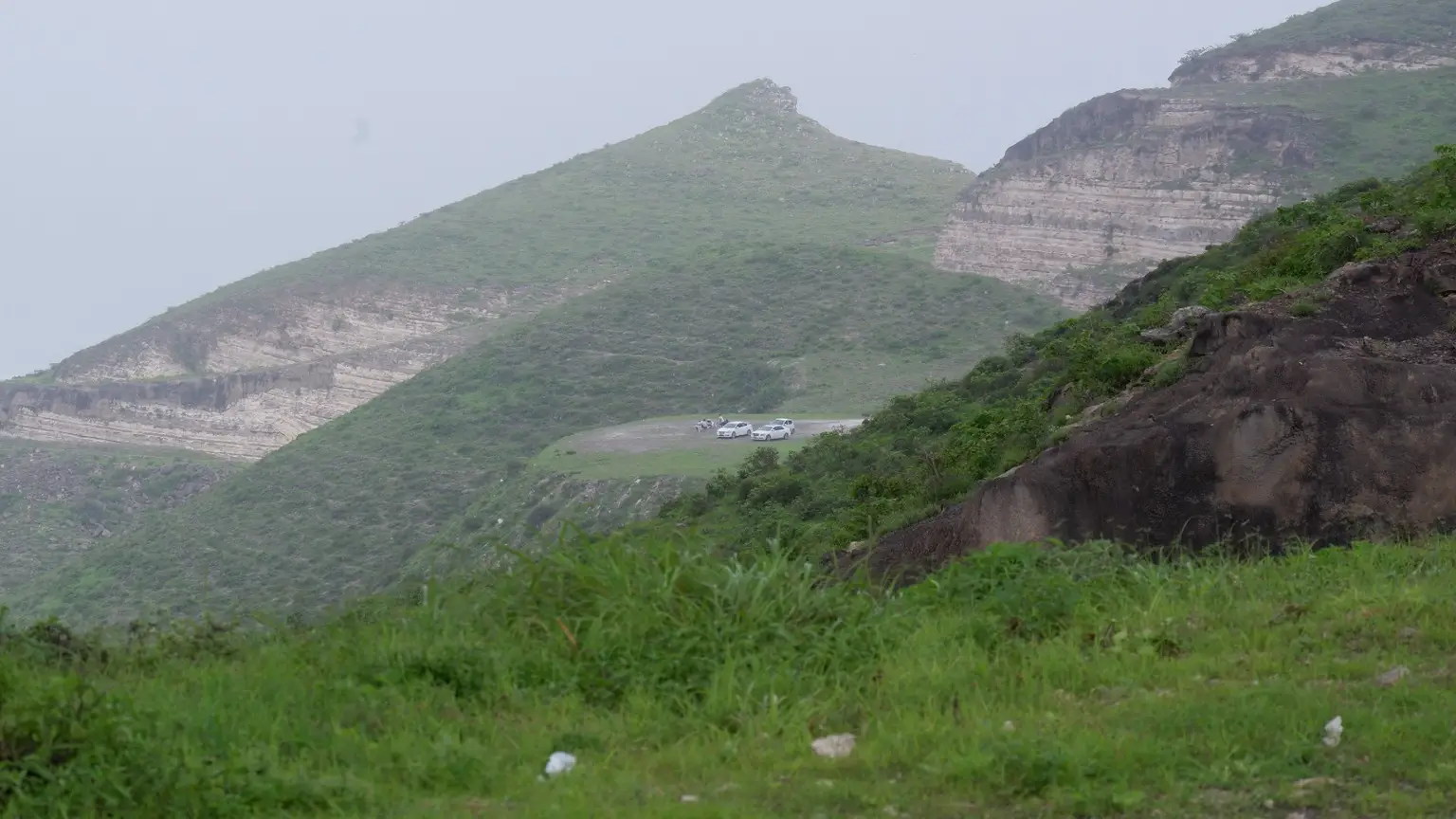
From the high roads of Jebel Akhdar to the dramatic escarpments around Jebel Shams, Oman delivers altitude, exposure, and technical variety in a compact area. The scenery is unforgettable, but it can distract drivers from the real work: assessing traction, judging clearance, and maintaining safe spacing on tracks with limited room to maneuver.
Mountain terrain also changes quickly. A dry track may become unstable after rain. A shallow-looking wadi can carry runoff from higher ground. Loose rock can shift beneath a tire, particularly when a heavily loaded vehicle is descending. There is no single setting for tire pressure, gear selection, or speed that works everywhere. Good drivers adapt to the surface in front of them.
This is where organized travel earns its value. A professionally led convoy brings route knowledge, communication standards, recovery equipment, and a clear decision-making structure. It also means no one is pressured to continue beyond their ability simply because the group wants to push ahead.
Choose the Route for Your Skill Level
Not every mountain route is an advanced expedition, but every route requires honest self-assessment. A beginner with a capable 4x4 can enjoy Oman’s mountain landscapes on suitable maintained tracks, provided the vehicle is prepared and the driver understands basic off-road control. Technical routes involving ledges, deep ruts, rocky climbs, or remote descents require more experience and a convoy with proven recovery capability.
Scenic Mountain Drives for Developing Drivers
A scenic route can still be challenging. Long climbs test engine temperature and driver concentration. Descents test whether you understand engine braking and can resist riding the brakes. Narrow sections require calm communication and precise positioning.
For drivers building confidence, the right trip has a measured pace, experienced lead and sweep vehicles, frequent briefings, and terrain that allows learning without unnecessary exposure. The goal is not to prove toughness. The goal is to return with better judgment than when you left.
Technical Trails for Experienced 4x4 Teams
More demanding mountain trails bring sharper consequences. Rock steps can damage underbody components. Off-camber slopes can unsettle a vehicle. Tight turns may require spotters and careful multi-point maneuvers. In remote areas, a simple puncture can become a lengthy recovery operation if the vehicle is poorly equipped or the group is unprepared.
Advanced driving is not about speed or dramatic wheel lift. It is about restraint. The strongest drivers know when to stop, walk an obstacle, choose a different line, winch safely, or turn around. That judgment protects the convoy and preserves access to the routes we value.
Prepare the Vehicle Before the Climb
A mountain-ready vehicle is not defined by accessories alone. Ground clearance, all-terrain capability, and a proper low-range transfer case are valuable, but maintenance is the foundation. Check cooling systems, brakes, fluids, tires, battery condition, and recovery points before committing to a remote route.
Load matters as well. A vehicle packed for an overnight expedition handles differently on steep, uneven surfaces. Secure every item. Loose gear becomes a hazard on rough tracks, while excessive roof load raises the center of gravity when stability matters most.
For mountain off-road trips in Oman, every vehicle should carry equipment appropriate to the route and convoy plan. At a minimum, drivers should have:
- A full-size spare tire in serviceable condition, plus the tools to change it
- Rated recovery points and suitable recovery gear
- A tire inflator, pressure gauge, and puncture repair kit
- Water, food, first-aid supplies, and personal medication
- A charged communication device and offline navigation backup
- Warm layers for higher elevations and a headlamp for delayed returns
What you carry depends on trip duration, weather, and remoteness. A day route close to services has different requirements than a multi-day expedition through isolated valleys. The standard should always match the consequences of being delayed.
Drive the Descent as Carefully as the Climb
Many avoidable mountain incidents happen downhill. Drivers focus on reaching the summit, then relax when the route turns home. That is the wrong moment to lose discipline.
Use low range where appropriate and let engine braking control speed. Select a gear before the descent rather than changing gears mid-slope. Keep inputs smooth. Sudden steering, braking, or acceleration can break traction on loose surfaces and push the vehicle off its intended line.
Maintain convoy spacing that gives every driver room to react. On dusty tracks, leave enough distance to see the surface clearly. On exposed sections, avoid crowding the vehicle ahead. If a driver stops to assess an obstacle, the convoy should communicate and hold position rather than compressing into a difficult section.
Spotters are not optional theater. When a line is tight or the terrain hides a wheel placement, a clear spotter can prevent damage and reduce stress. The driver must listen to one person, follow agreed signals, and stop immediately if visibility or communication is lost.
Convoy Discipline Makes the Difference
A mountain expedition is a team activity, even when every participant arrives in their own vehicle. The lead vehicle manages route and pace. The sweep vehicle ensures nobody is left behind. Every driver has a responsibility to communicate hazards, follow briefings, and support the group when conditions change.
This culture matters most when plans need to change. Weather, road closures, mechanical issues, or a tired participant can require a route adjustment. Turning back is not a failed trip. It is a prepared decision made by people who understand that safety always comes first.
Dubai Offroaders approaches mountain travel with that mindset: structured progression, qualified guidance, practical recovery knowledge, and mutual respect in every convoy. The experience should feel ambitious, but never careless. A demanding route becomes more rewarding when every participant understands the standard and contributes to the group.
Respect Oman Beyond the Trail
Oman’s mountains are living landscapes, not an off-road playground without limits. Villages, farms, grazing areas, wadis, and historic routes all deserve consideration. Drive only where access is appropriate, avoid cutting new tracks, and keep noise to a minimum near communities.
Leave the route cleaner than you found it. Pack out all waste, including food scraps and damaged vehicle parts. Do not disturb wildlife or camp where your presence could affect local residents. Photography is part of the experience, but privacy and local customs come first.
Environmental care is not separate from good off-roading. It is how responsible drivers help protect future access. The same restraint that prevents a reckless line choice also prevents unnecessary damage to fragile ground.
Build Skills Before You Need Them
The best place to learn a recovery technique is not on a remote mountain trail with daylight fading. Training builds the habits that become useful under pressure: safe tow points, controlled winching, tire repair, radio communication, route planning, and vehicle assessment.
Start with the fundamentals and progress deliberately. Learn how your 4x4 responds in low range, how to place a tire over uneven ground, and how to recognize when an obstacle exceeds your current experience. Training does not reduce adventure. It gives you the confidence to enjoy it without pretending risk does not exist.
Oman’s high trails will always ask something of the driver. Meet that challenge with a prepared vehicle, a capable convoy, and the humility to make the right call when the mountain changes the plan.
Remember: Lower tyre pressures to 15–18 PSI before touching sand to expand your longitudinal footprint. Never attach a snatch strap to a tow ball or bumper, and always keep both thumbs on the outside of the steering wheel rim.
Community Discussion0
Open public discussion. Share your thoughts, ask questions, or connect with certified marshals and fellow drivers.

No comments yet — be the first to break the desert silence!